



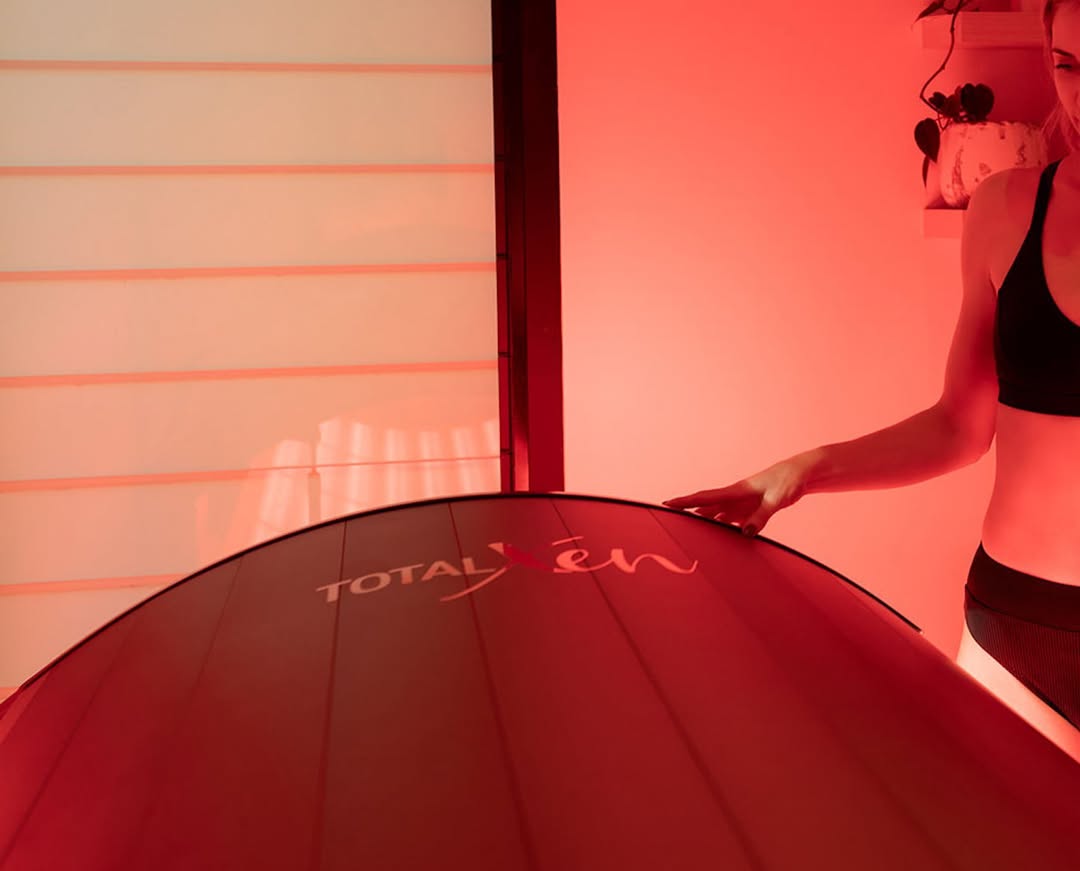
In today’s fast-paced world, many individuals struggle to achieve a restful night’s sleep, leading to a range of health issues and diminished quality of life. As a result, innovative solutions are continually sought to promote better sleep hygiene and restorative rest. One such emerging therapy gaining traction is red light therapy, a non-invasive treatment that harnesses the power of low-level wavelengths to enhance various bodily functions, including sleep. This article delves into the science behind red light therapy and its potential benefits for improving sleep quality and duration.
With a growing body of research supporting its efficacy, red light therapy is sparking interest among sleep researchers and health enthusiasts alike. Many are intrigued by its ability to influence circadian rhythms, regulate melatonin production, and promote relaxation. Whether you are grappling with insomnia, experiencing frequent awakenings, or simply wishing to enhance your overall sleep environment, understanding how red light therapy works can open up new avenues for achieving the restful sleep you seek. Join us as we explore the mechanisms, benefits, and practical applications of this innovative approach to better sleep.
How Red Light Therapy Enhances Sleep Quality
Red light therapy works by emitting low-wavelength light that penetrates the skin, promoting various physiological responses that can enhance sleep quality. By stimulating the production of melatonin a hormone essential for regulating sleep cycles this therapy encourages a healthier circadian rhythm. Participants in studies have reported falling asleep faster and experiencing fewer disturbances throughout the night. Furthermore, the calming properties of red light can help reduce anxiety and stress, creating a conducive environment for restful sleep. Incorporating Red Light Therapy For Sleep into your nighttime routine may serve as a beneficial strategy for those struggling with sleep-related issues.
Practical Applications of Red Light Therapy
To effectively utilize red light therapy, various devices are available for at-home or professional use, including light panels, lamps, and wearable masks. These devices can be easily integrated into nighttime routines, with many users starting their sessions 30 minutes to an hour before bedtime. Additionally, the therapy is non-invasive and generally has minimal side effects, making it accessible for a broad audience. As individuals explore the potential of red light therapy as a sleep aid, they may find it a valuable tool in promoting not only better sleep but also overall wellness.
In conclusion, red light therapy emerges as a promising adjunct to traditional sleep solutions, capitalizing on its ability to enhance melatonin production and regulate circadian rhythms, thereby offering a natural method for improving sleep quality. The non-invasive nature of this therapy allows for easy integration into existing nighttime routines, making it an appealing option for those who struggle with insomnia or seek to optimize their rest. As ongoing research continues to illuminate the benefits and applications of red light therapy in sleep management, individuals may find new hope in this innovative approach, paving the way for more restful nights and improved overall health. Embracing this technology could be a transformative step toward reclaiming the restorative sleep that many desperately need.
About The Author
