



Light therapy devices have emerged as a groundbreaking approach to enhancing well-being and addressing various health concerns. Utilizing specific wavelengths of light, these devices aim to promote healing, alleviate symptoms of mood disorders, and improve skin conditions, among other benefits. As our lives become increasingly digital and often disconnected from natural light, the demand for innovative solutions to combat these modern challenges has grown significantly, placing light therapy at the forefront of wellness trends.
This article explores the diverse types of light therapy devices available in the market today, from light boxes designed to treat Seasonal Affective Disorder (SAD) to LED masks that rejuvenate the skin. By examining the scientific principles underpinning light therapy, its applications, and emerging technologies, we aim to provide readers with a comprehensive understanding of how these devices can be integrated into daily routines for improved physical and mental health.
Types of Light Therapy Devices
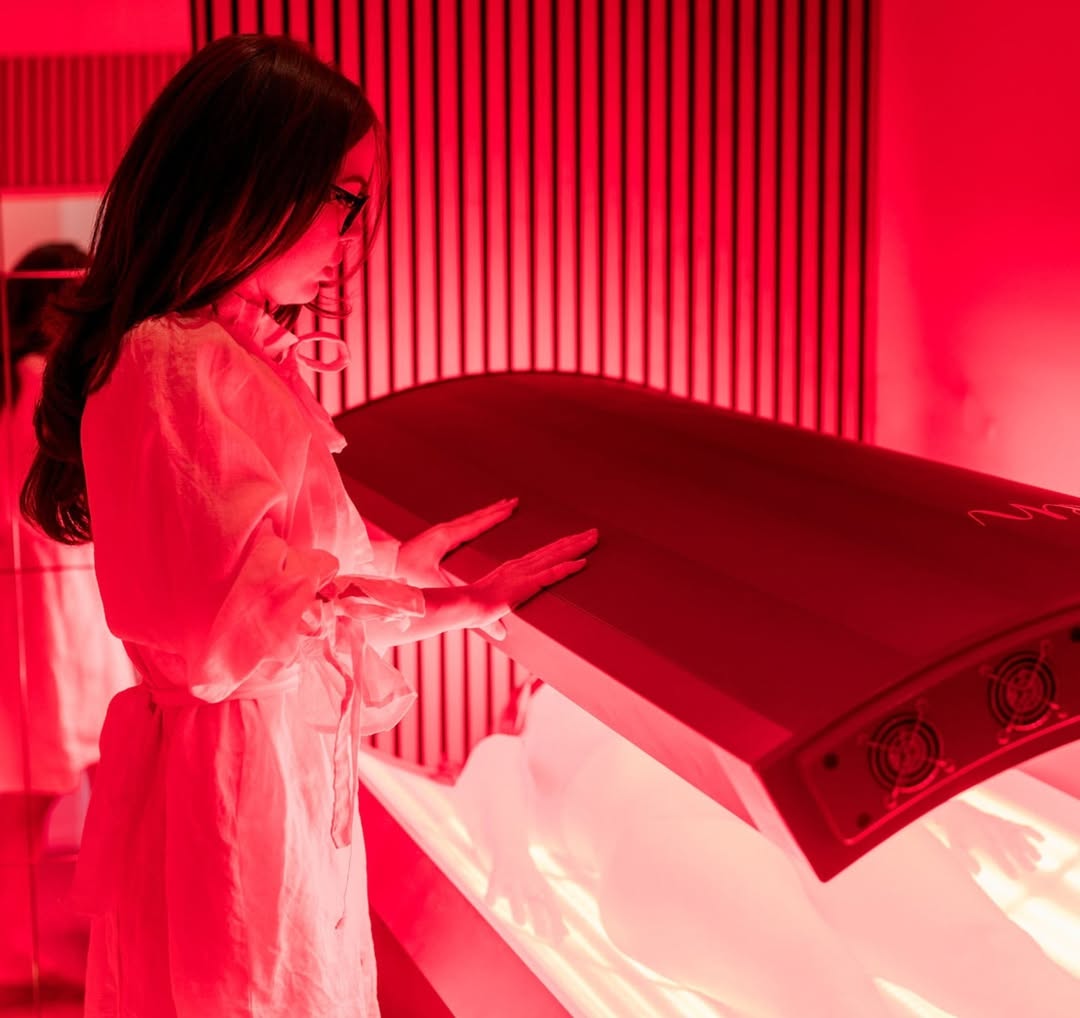
The landscape of light therapy devices is diverse, addressing a range of conditions through specialized light applications. For instance, light boxes are widely used to combat Seasonal Affective Disorder (SAD) by mimicking natural sunlight exposure, making them ideal for individuals experiencing winter blues. On the other hand, more innovative options like Red Light Therapy Whole Body beds offer comprehensive treatment for both skin rejuvenation and muscle recovery, harnessing specific wavelengths to promote cellular healing. Additionally, handheld LED devices are gaining popularity for their convenience in treating localized skin issues, showing how light therapy is evolving to meet various health and wellness needs.
Scientific Principles Behind Light Therapy
Light therapy operates on the principle that specific wavelengths of light can influence biological processes in the body. This phenomenon can enhance mood regulation, support skin health, and improve overall well-being through mechanisms such as increased serotonin production or enhanced collagen synthesis. Research continues to substantiate the effectiveness of these devices, revealing their potential not just for physical ailments but also for mental health support. As the scientific community explores the nuances of light wavelengths, we can expect even more tailored solutions to emerge, making light therapy an exciting field with promising applications for a healthier lifestyle.
In conclusion, light therapy devices represent a significant advancement in holistic health approaches, offering a versatile range of applications that cater to both physical and mental well-being. From alleviating symptoms of Seasonal Affective Disorder to promoting skin rejuvenation and healing, these tools harness the power of specific light wavelengths to facilitate natural biological processes. As research continues to validate their effectiveness and enhance our understanding of light’s impact on health, the future of light therapy looks promising—prescribing a potential evolution in personalized wellness solutions tailored to meet individual needs. As more people seek ways to harmonize their lifestyles with health-promoting practices, incorporating light therapy into daily routines may prove to be a pivotal step towards achieving overall well-being and vitality.
About The Author
